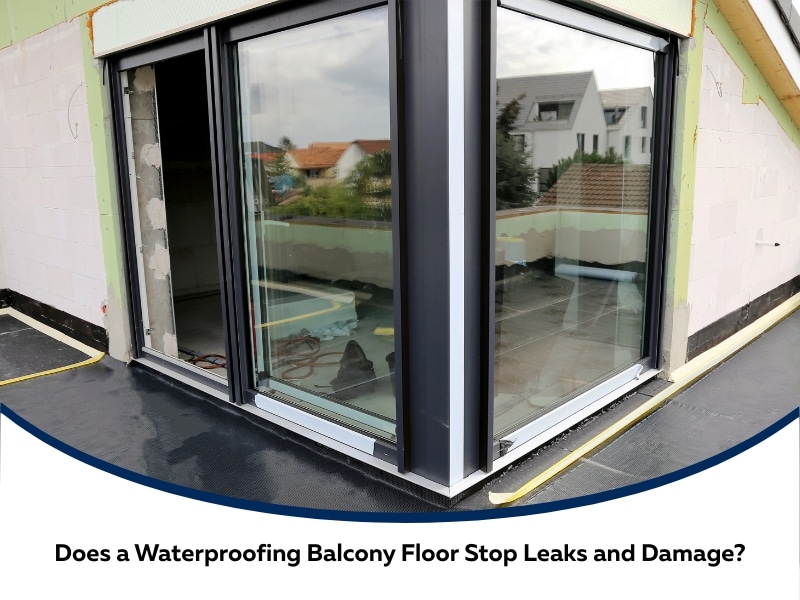
Leaky balconies aren’t simply a bother—they silently chip away at your home’s well-being. Tiny surface cracks let water slip through, and before you know it, your walls, joists, and plaster bear the brunt. You might not notice until the musty smell or a damp patch appears. Dealing with waterproofing balcony floor surfaces can feel like a chore, but investing in it now may save you a bucket‑load later. This article explores what sneaky signs to watch for, how to tackle them, and why giving your balcony proper protection makes good sense.
Why do leaking balconies cause long-term structural issues?
There’s more to a leaky balcony than meets the eye. Moisture doesn’t just pool; it seeps into nooks you can’t immediately see. Too many Aussies shrug it off, thinking it’s cosmetic—until the wood softens or the beams sway. Here are the key structural risks caused by leaking balconies:
- It seeps into timber and steel, bringing long‑term rot and corrosion where you least expect.
- Reinforced concrete might suffer spalling—moisture causing visible cracking and chipping.
- Support beams can shift, subtly undermining what you rely on—structural integrity becomes shaky.
- Damp corners are a breeding ground for mould, undermining both stability and comfort.
Ignore those early warning signs, and soon enough, you’re paying over the odds for invasive fixes when things have gone well beyond a surface problem.
What damage can balcony leaks create inside your home?
Leaking balconies don’t stop at the outside — they wreak havoc inside too. Many homeowners discover water damage only after stains or mould appear in their ceilings or walls. Unfortunately, by then, the water’s already done its worst. Here are the ways internal damage appears from balcony leaks:
- Paint bubbling on the ceiling is a dead giveaway that moisture’s creeping inside.
- Electrical components are failing due to corrosion, which poses a fire risk or outages.
- Vinyl or floorboards are shifting, resulting in uneven patches and an unpleasant odour.
- Inside blocks of framing are taking on water, leading to swelling, decay, and the risk of mould.
This type of damage rarely stays localised. One small leak from above can impact several rooms below. If you’re not proactive, your leaky balcony could turn into a whole-house headache.
How costly can a leaky balcony become without repair?
Letting a leaky balcony go is a fast track to spending more cash than you bargained for. What begins as a minor fuss can balloon into a wallet‑draining drama—even insurance might not chip in if maintenance was lax. Here are the hidden costs of ignoring balcony leaks:
- Fixing significant structural damage can set you back tens of thousands, especially if the frame’s knackered.
- Insurers may baulk at claims if upkeep’s been slack—leading to out‑of‑pocket headaches.
- Asking price may falter on resale if buyers spot tell-tale damp patches— value drops quickly.
- In strata or tenancies, ignoring leaks may land you in hot water for not meeting waterproofing rules.
That’s why it’s important to find quality waterproofing solutions for balconies — early investment prevents future disaster.
When should you consider waterproofing on your balcony?
It’s not a “build-only” job nowadays—waterproofing a balcony floor can be retrofitted, even over existing tile. Trouble is, people wait until puddles form before acting, when a few tell-tale signs could’ve fixed it far sooner. Here are the signs it’s time for waterproofing on top of tiles:
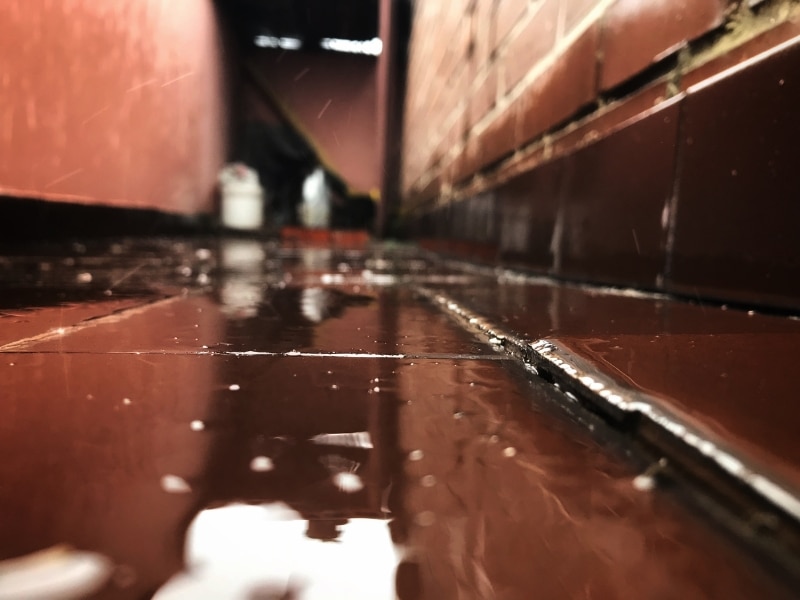
- Rain leaves puddles rather than draining—a great sign the seal’s not up to scratch.
- Cracked or shifting tiles, hinting at moisture sneaking underneath the surface.
- A whiff or patch of dampness indoors after a downpour—water’s finding its way in.
- Patch jobs that keep failing—your wallet’s drained, and the issue’s deeper than we thought.
If you’ve noticed these issues, it might be worth choosing the right balcony waterproofing method to avoid repeat failures.
How does a balcony waterproof membrane protect against leaks?
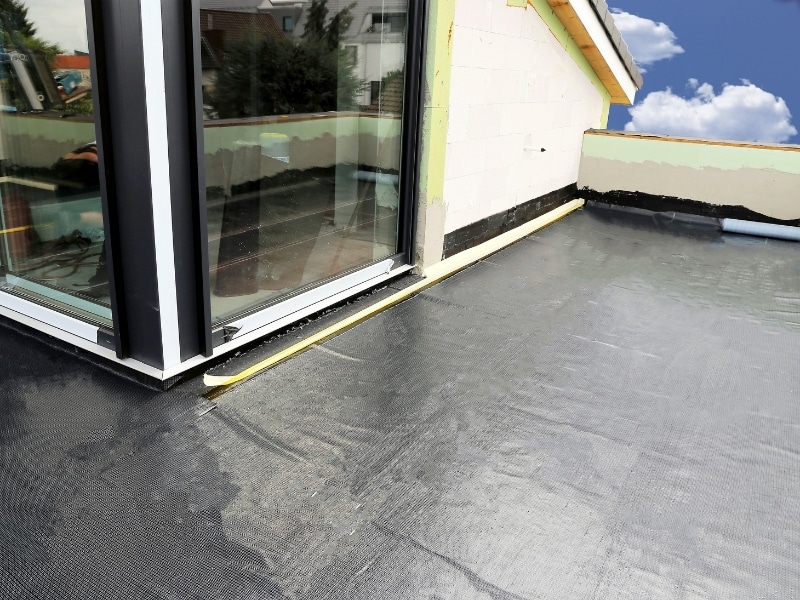
Think of a waterproof membrane as an invisible shield—you walk on it, weather bangs at it, yet it stands firm. Designed to stay flexible, tough, and protective under Aussie sun and rain, it’s a quietly brilliant fix. Here are the reasons a membrane provides reliable leak protection:
- Seals across cracks, creating a seamless layer that stops even fine trickles.
- Clings onto concrete, tile or substrate—no movement means less chance of cracks developing.
- UV-safe types can withstand harsh sunlight, slowing premature breakdown.
- Cooperates with sealants or coatings, giving your waterproofing system more longevity.
Below is a quick table comparing membrane types:
| Membrane Type | Application Stage | Best Use Case | Durability | Key Consideration |
| Liquid-applied membrane | After tiling (retrofit) | Older balconies needing fast fixes | 10–15 years | Needs careful curing time to avoid failure |
| Sheet membrane | Before tiling (new builds) | High-exposure, high-traffic areas | 15–20 years | Must be laid flat with sealed overlaps |
| Spray-on membrane | Large or complex surfaces | Balconies with uneven design layouts | 12–16 years | Professional equipment required |
| Cementitious coating | Under tiles or screed | Budget-conscious internal balconies | 8–12 years | Less flexible, more brittle over time |
When done with care, membranes work under your feet—literally—and do the heavy lifting in keeping water at bay.
Can a balcony sealer provide extra protection after waterproofing?
Adding a balcony sealer as a topcoat makes your system more challenging. It’s like giving your waterproofing a durable overcoat—especially useful in high-traffic or sun-baked areas.
Here are the key benefits of using balcony sealers:
- Enhances the durability of your existing waterproofing system, extending its lifespan significantly.
- Prevents staining and dirt buildup on finished surfaces, keeping balconies looking clean longer.
- Adds UV protection and weather resistance for harsh climates like coastal or inland Australia.
- Available in clear or tinted finishes to match your balcony’s visual appeal.
If you’re wondering why proper waterproofing in wet areas is important for preventing water damage, it’s because finishing layers like sealers make all the difference.
Final thoughts on waterproofing balcony floor durability
Waterproofing a balcony floor isn’t just about dealing with today’s leaks — it’s about making sure tomorrow doesn’t bring bigger problems. Even if things look fine on the surface, water can seep into the layers underneath and remain hidden until real damage occurs. Taking the time to protect your space now helps avoid future stress, costly repairs, and potential structural risks down the line.
If this sounds like something you’ve been putting off, it might be time to explore how Ultimate Waterproofing Solutions handles complex waterproofing needs.


