

Water Leaking Detection in Winston Hills
If you’re noticing damp patches, bubbling paint, musty smells, or repeated moisture after rain with no clear cause, the key priority is finding the source without causing avoidable damage. This page details what to expect when organising and completing leak detection work in Winston Hills, including site access planning, typical on-site limitations, and practical steps you can take to support a smooth visit (Sydney context only).
Ultimate Waterproofing Solutions can come to Winston Hills (Sydney) to carry out non-invasive leak detection. We’ll usually begin by confirming the symptoms, checking likely entry points, and using the right detection methods to narrow down the source before recommending a practical next step. Access considerations like parking, key collection, strata rules, active leaks, and pets can impact what we’re able to test on the first visit.

REQUEST QUOTE NOW
Locations We Cover in Winston Hills
We attend Winston Hills as part of our Sydney service area and schedule visits according to local access considerations and building type. Leak tracing usually depends on what we’re able to safely inspect and test on site, so when booking we’ll ask a few practical questions about where the symptoms are appearing, when they occur, and what has already been done.
Our goal is to keep the visit non-destructive wherever possible while narrowing down the most likely source or sources using evidence that supports the next step—especially where a roofer, plumber, tiler, or waterproofing rectification team may need to be engaged.
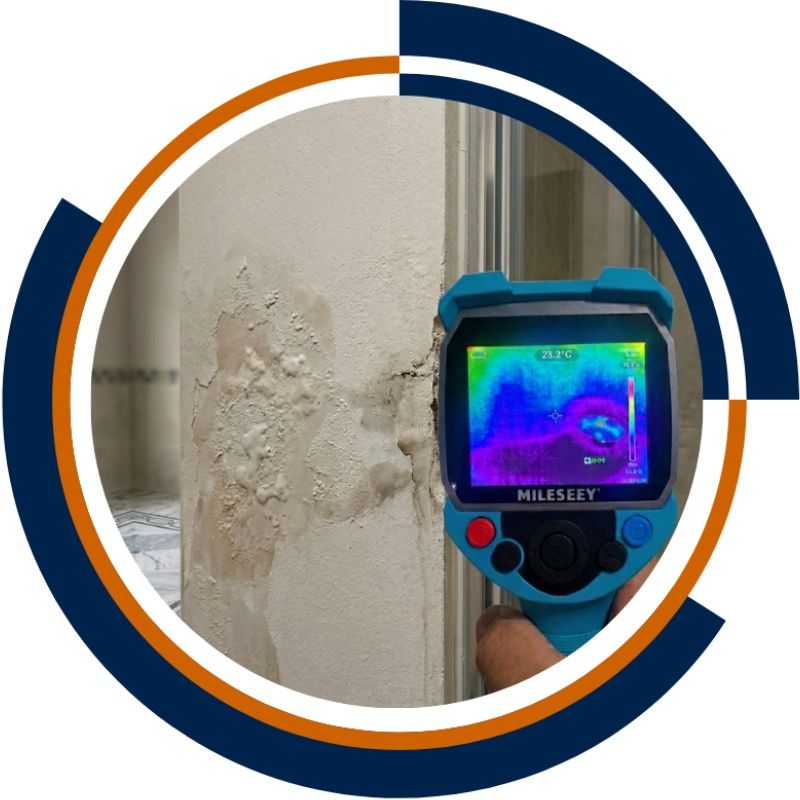
On-Site Access Requirements Checklist
A smooth on-site visit in Winston Hills usually comes down to a quick checklist:
Parking & loading
Please let us know if there are parking restrictions, time limits, or a preferred spot to unload our tools.
Keys, gate access, and intercoms
Strata units
Pets at the property
Please tell us if there are pets at the property so we can organise safe movement between rooms and external areas.
Water line isolation
If you know where the main shut-off is (or if a building manager controls it), it helps if testing requires isolation.
Safe access requirements
Where possible, clear a practical path to the affected area, such as the bathroom vanity, laundry, ceiling manhole, balcony door, or courtyard edge.
Primary site contact
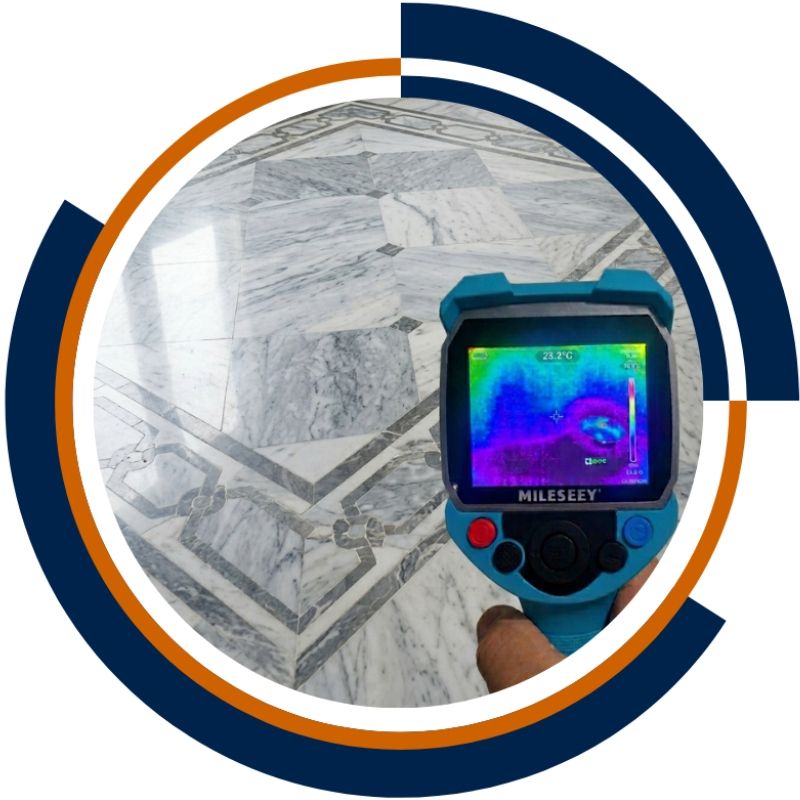
Local Work Scenarios in Winston Hills
Here are several common situations we see in Sydney suburbs such as Winston Hills—your particular issue may match one of these:
- Bathroom leak presenting outside the wet area Moisture is appearing in an adjacent room or along a hallway wall. During the visit, we’ll inspect likely overflow points including shower screens, penetrations and junctions, assess moisture patterns, and indicate whether the behaviour is more consistent with surface ingress or hidden plumbing.
- Ceiling staining after wet weather Staining spreads or reappears following storms. On-site, we’ll check likely entry points such as flashings, valleys, penetrations, parapets and relevant box gutters, and note whether testing can be carried out meaningfully on the day.
- Balcony or courtyard seepage Water may be moving inward or collecting near thresholds. We’ll review fall and drainage behaviour, junction details, and cracking patterns in the surface to help narrow the pathway before considering any invasive removal.
Area Coverage & Logistics — Winston Hills (2153)
In Winston Hills, attendance planning is often based on access windows, building rules, and conditions that support safe testing. Some checks can be limited on the first visit if:
- accessing the roof may require strata approval or specialised access arrangements
- active weather makes roof/balcony assessment unsafe
- water isolation is not possible, or it affects other occupants
- ceiling spaces are restricted, unsafe, or not accessible without preparation
- there are multiple potential sources and the property needs to be assessed through staged ruling-out
To make things more efficient, it’s helpful to share any existing notes or photos showing where the symptoms present, when they happen, and any previous repairs. That context can reduce the need to re-check areas that have already been ruled out.
Common Local Property Types We See
In Sydney suburbs like Winston Hills, we commonly attend:
- Detached houses: external checks are often easier to carry out, although roof access and ceiling entry may differ depending on the build and how the space is used for storage.
- Units/apartments: access is often the main factor—intercoms, shared services, and strata coordination can be just as important as the leak symptoms.
- Retail/light commercial: testing during the visit can be affected by after-hours access arrangements, safety sign-in requirements, and water service isolation.
What We Need From You Prior to Attendance
A few basic items can help make the on-site assessment more informative:
- Photos or videos of the problem, especially while it’s raining or right after use
- A short timeline of when it began, whether it’s worsening, and what sets it off
- Access confirmation: who is responsible for access, whether any approvals need to be organised, and whether ladders or roof hatches are present
- Clear the area: if possible, move belongings away from wet walls, vanities, manholes, and balcony thresholds
- Any previous trade notes: invoices, “suspected cause”, or details of what was already sealed or repaired, even if it didn’t resolve the issue
After the Attendance: What You’ll Receive
After our visit to Winston Hills, you should expect straightforward, practical outputs to help guide the next steps, such as:
- a summary of the most likely source(s) based on what we observed and tested
- notes on constraints encountered (access, isolation limits, weather impacts)
- recommended next action (for example, targeted repair area to confirm/rectify rather than broad demolition)
We’ll ensure recommendations are grounded in what the property conditions actually allow, especially where strata or common property is involved.
Operational Information FAQs
Usually, yes—either the owner or tenant, or a nominated site contact who can facilitate access and assist with quick questions.
Some external checks may be restricted for safety reasons. If conditions prevent a meaningful assessment, the visit may need to focus on internal indicators and documentation, with a follow-up once safe access is available.
Yes, although outcomes will depend on approvals and access to the relevant areas, including roof areas, common services, and neighbouring lots. If you can provide the strata process in advance, we can plan the attendance around it.
Only enough to provide safe access to the affected areas—wet walls, vanities, ceiling manholes, balcony doorways or edges, and service areas.
Leak detection is generally non-invasive, but where access behind finishes is required to confirm the source definitively, we’ll flag that as a separate next step instead of carrying it out automatically.
Please document what you’re seeing and let us know early. In attached dwellings, ruling out shared services or adjoining entry points may require coordination through strata or the neighbouring lot.
