
Water Leaking Detection in Homebush
If damp patches are appearing without explanation, paint is bubbling, there’s a musty smell, or moisture keeps returning after rain, the priority is to find the source with as little disruption as possible. This page covers what to expect when booking and carrying out leak detection work in Homebush, including planning access, understanding common site conditions, and helping the visit proceed smoothly (Sydney context only).
If you need non-invasive leak detection in Homebush (Sydney), Ultimate Waterproofing Solutions can attend. We’ll typically confirm the symptoms, inspect likely points of water entry, and use the appropriate detection methods to narrow down the source before recommending the next practical step. Site access conditions, including parking, keys, strata requirements, active leaks, and pets, may affect what can be tested at the first visit.

REQUEST QUOTE NOW
Service Availability in Homebush
As part of our Sydney scheduling area, we service Homebush and arrange visits with regard to local access conditions and building style. Since leak tracing often relies on what can be safely observed and tested on arrival, we’ll ask a few practical questions during booking, such as where the symptoms are showing, when they happen, and what steps have already been taken.
We aim to carry out the visit in a non-destructive way where possible, focusing on narrowing down the most likely source or sources and providing evidence you can rely on—particularly when the next stage involves a roofer, plumber, tiler, or waterproofing rectification team.
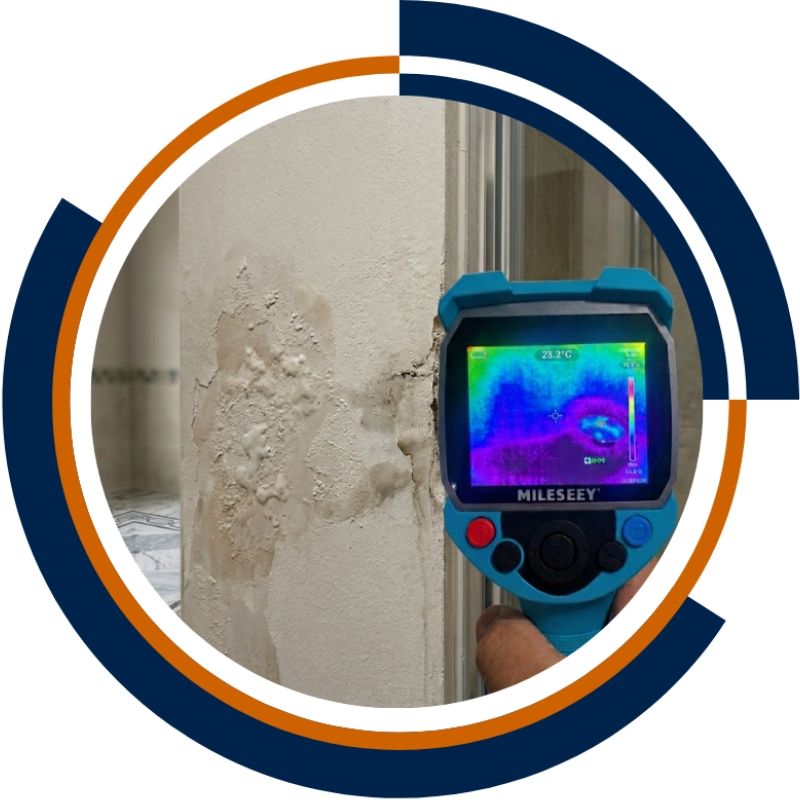
Access Planning & On-Site Logistics Checklist
A smooth attendance in Homebush usually comes down to a short checklist:
Parking & loading
Let us know if parking is restricted, timed, or if there’s a preferred place to unload equipment.
Keys, gate access, and intercoms
Apartment units & strata
Pets on the premises
Let us know if pets are on-site so we can plan safe movement between rooms and outdoor areas.
Water supply shut-off
It’s helpful to know where the main shut-off is located, or whether it’s managed by the building manager, if testing needs the water to be isolated.
Safe access
Make sure there is a clear and practical path to the affected area, including places like the bathroom vanity, laundry, ceiling manhole, balcony door, or courtyard edge.
Property contact
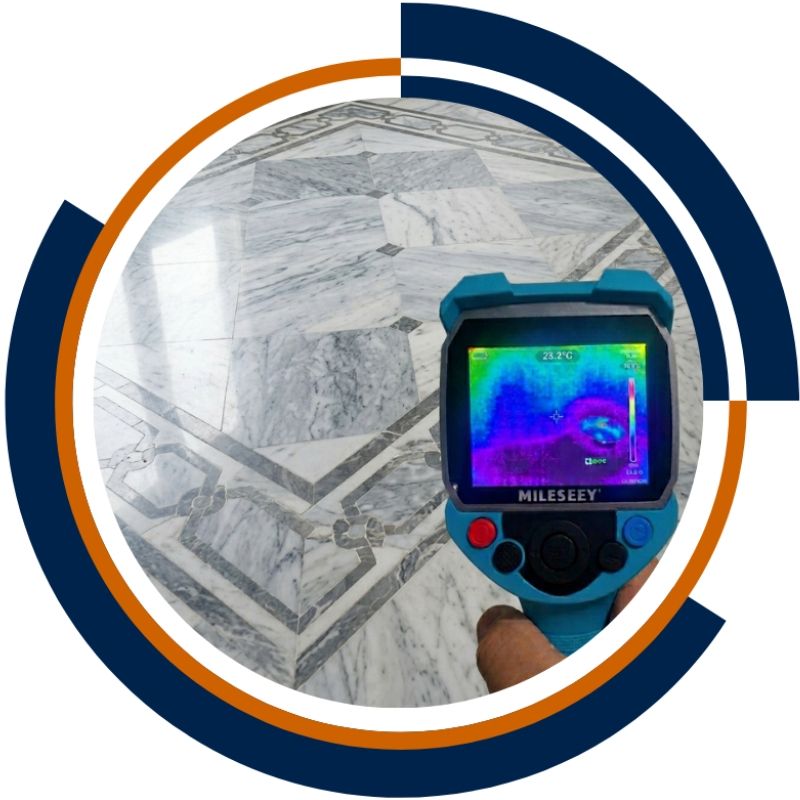
Common Local Service Situations in Homebush
These are the kinds of common scenarios we regularly see in Sydney suburbs like Homebush—your situation may resemble one of these:
- Bathroom leak visible outside the wet area Moisture is appearing in a nearby room or along a hallway wall. We’ll assess likely overflow points on-site, including shower screens, penetrations and junctions, confirm the moisture pattern, and flag whether the behaviour suggests surface water ingress or concealed plumbing.
- Ceiling stains showing after rain Staining spreads or comes back after heavy weather. We’ll inspect likely entry points such as flashings, valleys, penetrations, parapets and, where applicable, box gutters, and note whether the day’s conditions support meaningful testing.
- Balcony or courtyard seepage Water may be moving inward or collecting near thresholds. We’ll review fall and drainage behaviour, junction details, and cracking patterns in the surface to help narrow the pathway before considering any invasive removal.
Area Coverage & Logistics — Homebush (2140)
In Homebush, attendance arrangements are often guided by access windows, site rules, and safe testing conditions. Some checks can be limited during the first visit if:
- roof access may depend on strata approval or specialised access arrangements
- active weather creates unsafe conditions for roof or balcony assessment
- the water cannot be isolated, or doing so affects other occupants
- ceiling space access may be limited, unsafe, or unavailable without preparation
- there are multiple candidate sources and the property needs staged ruling-out
For a more efficient visit, it helps to send any prior notes or photos that show where the symptoms appear, when they occur, and what repairs have previously been tried. That context can reduce time spent re-checking areas already excluded.
Property Types We Regularly See Here
Across Sydney areas including Homebush, we commonly attend:
- Detached houses: it’s usually easier to inspect the external perimeter, but roof access and ceiling entry can vary with the type of build and stored belongings.
- Units/apartments: access is often the primary issue—intercoms, shared services, and strata coordination can be just as significant as the leak symptoms.
- Retail/light commercial: after-hours entry, site safety sign-in, and the ability to isolate water services can influence what testing can be completed during the visit.
What We Need Before We Attend
A few simple steps can help make the on-site assessment more clear-cut:
- Photos/videos showing the issue, particularly during rain or immediately after use
- A short timeline outlining when it began, whether it’s getting worse, and what brings it on
- Access confirmation: who opens up, any approvals needed, and whether ladders/roof hatches exist
- Clear the area: please clear items away from wet walls, vanities, manholes, and balcony thresholds wherever possible
- Any previous trade notes: invoices, noted “suspected cause”, or what has already been sealed/repaired, even if the repair didn’t work
What You’ll Be Provided After the Visit
Following our attendance in Homebush, you can expect clear and practical outputs to assist with the next steps, such as:
- a summary of the most likely source(s) identified through our observations and testing
- notes on any constraints identified during the visit, including access, isolation limits, and weather impacts
- recommended next action, for example identifying a targeted repair area to confirm or rectify rather than resorting to broad demolition
We’ll keep any recommendations practical and aligned with what the site conditions allow, particularly where strata or common property is involved.
Operations Questions & Answers
In most cases, yes—either the owner/tenant or a nominated site contact who can allow access and answer a few quick questions.
Some external checks may not be possible for safety reasons. If conditions prevent a proper assessment, the visit may need to focus on internal indicators and documentation, followed by a return visit when safe access is possible.
Yes, but outcomes depend on approvals and access to relevant areas (roof/common services/adjacent lots). If you can share the strata process upfront, we can align the attendance plan
Only enough to provide safe access to the affected areas—wet walls, vanities, ceiling manholes, balcony doorways or edges, and service areas.
Leak detection is typically carried out non-invasively, but if final confirmation requires access behind finishes, we’ll flag this as a separate next step rather than doing it as standard.
Document what you’re seeing and let us know early. In attached dwellings, ruling out shared services or nearby entry points may require coordination through strata or the neighbouring lot.
